




Alex Hanley, Intern 1998-1999
Internship Experience:
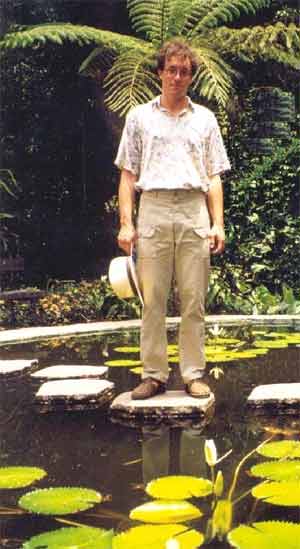
REAP was just starting its international activities when I went in the Philippines in 1998-1999. I was REAP's first intern, so the internship program was as much as novelty for the staff as it was for me. The crop diversification project, which would become the Southern Negros Sustainable Agriculture Demonstration Project was also at the embryonic stage. It was located in Kabankalan, in the country's sugar bowl. When the price of sugar had collapsed in the eighties, the island's total reliance on cash from sugar sales thought a hard lesson on the meaning of food security. It would have been hard to find an area that needed crop diversification more badly. Officially, my task was to help organize a sustainable farming conference with our partners MAPISAN, the local farmers alliance, MASIPAG, a national farmers alliance, and PDG, an NGO that helped MASIPAG and MAPISAN develop their organizational capabilities with emphasis on ensuring a democratic process prevailed by providing training and facilitating meetings.I spent time writing on farming systems to help farmers organize their presentations, but most of my time was spent learning about the interaction between PDG, our host, and their partners. I much prefer thinking that I was a sort of ambassador, for my main accomplishment was to form new relationships on REAP's behalf as well as mine. I got better at making friends and opening myself to others, but these qualities were already in me, and Negros was a stage to let me unfold them. During my stay I shared the houses and lives of farmers; their joys and a bit of their struggles. What I brought back was much more valuable than any new skill could have been. I brought back a new perspective on world relationships, on international trade and development, on their relationship to justice, war and peace, a new perspective on ecology.
I was shocked not so much by the sight of that frugal lifestyle as by the light it cast on our excesses; I was shocked at the contrast between our lifestyle based on waste and theirs based on survival. Rather than justify our consumption as providing jobs and wealth to the south, I couldn't help see a cause to effect relationship between the first and the second. I was impressed by the complexity of farmers and community organizations, by the complexity of the issues they were facing and the creative solutions they were putting forth. Most of all, I was shocked at the contrast between what I saw and the stereotypical image of passive poor farmers waiting for the help of benevolent wealthy northerners dominating our media
I could keep going on, but this is sufficient to illustrate this internship changed my heart. All the people I met are buried deep in there. I carry them everywhere I go. They guide me in my every act.

